

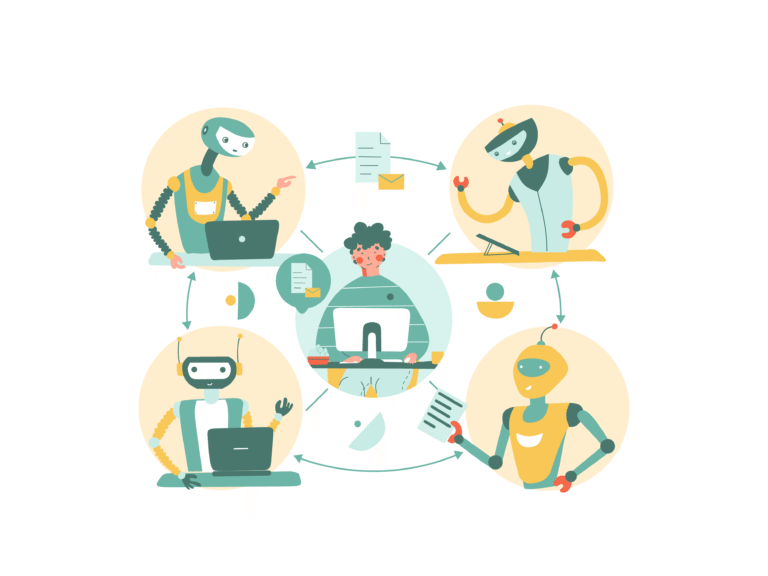
Everyone’s talking about AI revolutionizing healthcare. Predicting. Diagnosing. Automating. Cool headlines, right?
But here’s the problem that no one wants to say out loud: “How do I actually prepare my practice today, before AI leaves us behind?”
You’ve probably heard the phrase:
“AI won’t replace humans. But humans using AI will replace humans who don’t.”
That’s not a LinkedIn slogan. It’s reality. We’re seeing it play out daily in practices adopting AI-powered solutions.
For example, MSK clinics still relying on manual patient intake spend hours every day gathering medical histories, insurance details, and consent forms. That’s time-consuming, error-prone, and frustrating for patients waiting on hold or re-submitting forms they’ve already filled elsewhere.
Compare that to AI-powered workflows that automate repetitive admin tasks, reduce patient wait times, and protect revenue by preventing avoidable errors.
Same staff. Same patients. Completely different outcomes.
Why This Isn’t Just About Efficiency
The narrative that AI is only about speed misses a deeper opportunity: using AI to elevate human work to its highest purpose. When AI manages the repetitive, cognitive-heavy but low-complexity tasks – such as:- Sending reminders and rescheduling no-shows
- Extracting and validating intake data
- Suggesting optimal appointment slots to maximise provider utilisation
But Are You Ready for This Transition?
Most articles stop at telling you what AI will do. Few talk about how to actually prepare for it as a private practice owner or manager. Here’s what we see among clinics successfully integrating AI into their operations:1. Rethinking Workflows, Not Just Adding Tools
Adding an AI feature to a broken process won’t save it. Smart practices use AI as an opportunity to:- Map out existing workflows end-to-end.
- Identify steps that can be automated or augmented by AI.
- Redesign roles so staff leverage AI outputs instead of duplicating them.
2. Preparing Teams for AI Workflows, Not Just Tech Staff
Fear is natural. Some staff worry AI will replace them, but leaders in thriving practices reframe this as an opportunity to upskill:- Training team members to interpret AI-generated insights
- Building comfort with AI-powered scheduling suggestions
- Encouraging strategic thinking around AI-enhanced workflows